
Simple Steps Make the Job Cleaner, Faster, and Less Stressful
To prepare your home for interior painting, start by clearing the room, protecting floors and furniture, cleaning the walls, fixing small damage, and using painter’s tape where needed. Good prep helps the paint go on smoothly and last longer. It also cuts down on mess, missed spots, and delays during the job.
Quick Answer
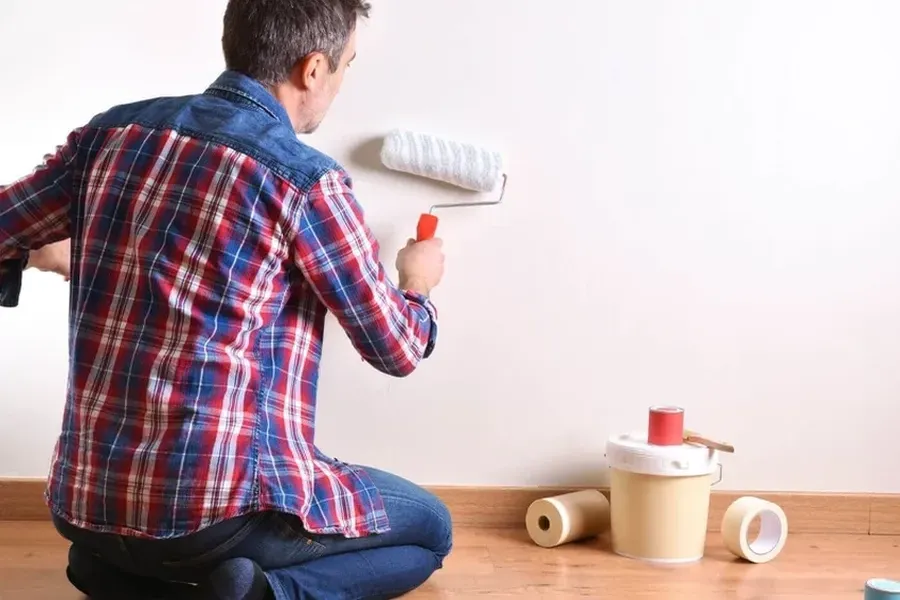
The best way to get ready for interior painting is to think about the room in stages. First, remove what you can. Next, cover what stays. Then clean and patch the surfaces. Last, make sure the area is easy to reach and safe to work in. If the room is fully prepped before the first brush or roller comes out, the painting process is faster and the finish usually looks better.
What You Need Before Starting
Before any paint goes on the wall, gather a few basic supplies. This keeps the work moving and helps avoid last-minute trips to the store. Even if a team is handling the work, these items are often part of the prep process for residential painting and other indoor paint projects.
- Drop cloths or plastic sheeting
- Painter’s tape
- Mild soap and water
- Sponges or clean rags
- Wall patch or spackle
- Putty knife
- Sandpaper
- Screwdriver for outlet covers and switch plates
- Trash bags or boxes for loose room items
If you have pets or small children, plan for that too. Pick a safe room away from the work area. Paint prep can involve dust, moved furniture, and open cans, so a little planning helps the day go more smoothly.

Step-by-Step Process
Prep work is easier when done in the right order. These steps can help you get the room ready without missing anything.
- Take down wall art, curtains, and fragile decor. Remove nails if they will not be reused.
- Move small furniture out of the room. Shift large items to the center and cover them well.
- Protect floors with drop cloths. Tape edges if needed so they stay in place.
- Remove outlet covers, vent covers, and switch plates. Keep screws in a small bag.
- Dust the walls and trim. Then wash dirty spots, especially near kitchens, hallways, and kids’ rooms.
- Patch dents, nail holes, and small cracks. Let the filler dry fully.
- Sand patched areas until smooth. Wipe away dust after sanding.
- Tape trim, baseboards, window frames, and other edges if a clean line is needed.
- Check lighting in the room. Good light makes it easier to spot flaws before painting starts.
- Make a clear path in and out of the space so ladders and supplies can move safely.
If more than one room is being painted, label each space and keep its hardware together. This saves time when everything is put back in place.
Common Mistakes to Avoid
Many paint problems start with rushed prep. One common mistake is leaving dust or grease on the walls. Paint does not stick well to a dirty surface. Another mistake is skipping patch work. Small dents and holes may seem minor, but they often stand out once fresh paint dries.
People also forget to test how much space painters need to work. A room may look mostly clear, but if furniture is packed too tightly, it slows the job and raises the chance of bumps or spills. Using thin bed sheets instead of real drop cloths is another issue. Paint can soak through light fabric and reach the floor below.
It also helps not to leave valuable items in the room. Lamps, electronics, and breakable decor should be moved out, not just covered. Prep is not just about the walls. It is also about protecting the things around them.
When to Call a Professional
Some rooms are simple to prep and paint. Others need more skill. If the walls have water stains, peeling paint, large cracks, or signs of mold, it may be smart to call a professional before moving ahead. High ceilings, stairwells, and detailed trim can also make the work harder and less safe for a do-it-yourself job.
A pro may also help when time is tight. If you are getting ready to sell a home, expecting guests, or trying to update several rooms at once, expert help can keep the project on track. Professional crews often spot surface problems early and fix them before they affect the final coat.
Another good time to get help is when color changes are dramatic. Going from a dark wall to a light one, or covering old stains, may take extra prep and primer. That added work can be hard to judge without experience.
Final Recommendation
If you want a smoother interior painting job, prep the room before the first can is opened. Clear the space, clean the walls, fix damage, and protect floors and furniture. In Spartanburg, SC, many homes have busy rooms that collect dust, fingerprints, and wear, so careful prep really pays off. At Luis The Painter, we help homeowners get spaces ready for lasting results. Call us at (864) 706-8106 if you want us to take care of the prep and painting from start to finish.