
Clear Warning Signs Usually Show up Before Outside Paint Fails Completely
If you see peeling paint, fading color, cracks, bare wood, or stains on your siding, your house may need exterior painting soon. These signs often mean the surface is no longer well protected from sun, rain, and moisture. In Spartanburg, SC, weather can speed up this wear. Acting early can help you avoid larger repairs and keep your home looking clean and cared for.
Quick Diagnosis Summary
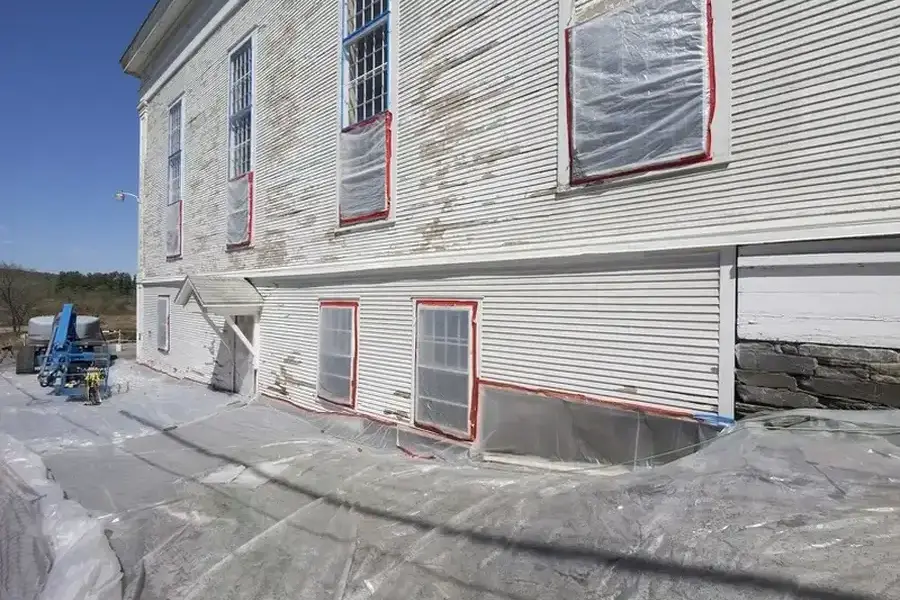
The most common signs your home needs exterior painting are easy to spot from the ground. Paint may peel, blister, chalk, or look washed out. Trim may crack or feel rough. You might also notice spots where water sits too long or wood starts to swell. When these problems show up in more than one area, the old coating is often reaching the end of its life.
Common Symptoms
Some warning signs are easy to miss at first. A house does not need to look terrible before action makes sense. Small paint problems can spread fast once water gets under the surface.
- Peeling or flaking paint on siding or trim
- Faded color from strong sun exposure
- Cracked caulk around windows and doors
- Blistering or bubbling spots
- Chalky powder when you touch painted areas
- Dark stains, mildew, or water marks
- Exposed wood or other bare material
- Rust spots near nails or metal parts
These signs can show up on wood, stucco, fiber cement, and other exterior surfaces. Even if the damage seems small, it can point to a bigger problem under the paint.
Likely Causes
Paint breaks down for many reasons. Sun can dry it out. Rain can soak weak spots. Moisture trapped behind siding can push paint loose. Poor prep from an older job can also shorten paint life. If the last coat went over dirty surfaces, loose paint, or rotten trim, the new finish may not last long.
Age is another big factor. Every home coating wears down over time. South- and west-facing walls often fade faster because they get more direct light and heat. Trees, sprinklers, and clogged gutters can also add extra moisture to one side of a house.
If your home has not had service from an exterior painting crew in many years, wear may already be farther along than it looks from the street.
What to Check First
Start with a simple walk around your house during daylight. Look closely at trim boards, window frames, corners, and lower siding near the ground. These areas often fail first.
- Stand back and look for uneven color or patchy fading.
- Move closer and check for peeling, cracks, and bubbles.
- Touch a few painted spots for chalky residue.
- Look for soft wood, swollen trim, or mildew stains.
- Check caulk lines around windows and doors.
- Notice where water may collect after rain.
If you find bare wood, deep cracks, or soft spots, the issue may be more than simple paint wear. That can mean moisture has already started damaging the surface below.
Safe Fixes Vs Pro-Level Fixes
Some small issues can be handled early. Washing dirt and mildew off the surface can help you see the real condition. Replacing a short section of failed caulk may also help stop water from getting in. Very small chips can sometimes be scraped, primed, and touched up.
Still, many outside paint problems need expert work. Large peeling sections, tall walls, rotten trim, or repeated bubbling usually call for more than a quick patch. If the surface is not prepared the right way, fresh paint may fail again soon. Homes with old coatings may also need extra care during prep and repairs.
A professional can spot hidden trouble, fix damaged areas, and match the right products to the home’s material and weather exposure.
Prevention Tips
You can help your paint last longer with simple upkeep. A little routine care can slow down wear and help you catch trouble before repairs grow.
- Wash dirt and mildew off siding once or twice a year
- Keep gutters clear so water drains away well
- Trim bushes and tree limbs away from painted surfaces
- Fix leaking spigots and misdirected sprinklers
- Replace cracked caulk before water gets behind trim
- Inspect sunny sides of the home more often
- Check low areas after storms for splash-back or pooling water
These steps do not replace a full repaint when the coating is worn out, but they can help your home stay in better shape between painting cycles.
Final Recommendation
If your home shows several of these signs at once, it is smart to act before the damage spreads. Fresh exterior painting does more than improve curb appeal. It also helps shield siding and trim from weather, moisture, and early decay. If you are not sure how bad the problem is, a closer inspection can give you a clear next step.
Get Help With the Next Step
We help homeowners spot paint failure early and plan the right fix for their homes in Spartanburg, SC. Our team at Luis The Painter can inspect problem areas, explain what needs attention, and handle the work with care. Call us at (864) 706-8106 to set up a visit and talk about the best path for your home.